
Opposition set to fight SBC Council Tax hike
Opposition councillors in the Scottish Borders have vowed to challenge the council’s proposed budget, criticising plans for an 8.5% council tax rise for residents while delaying higher charges for second home owners.
The Scottish Borders Council Administration’s proposals would see council tax for ordinary households rise sharply, adding further pressure on families already grappling with rising living costs.

At the same time, increases to council tax on second homes would be phased in over three years, a move the SNP-Green Group describes as unfairly protecting wealthier property owners at the expense of year-round residents.
At the full council budget meeting today (Thursday, February 19), the SNP-Green Group will put forward an amendment aimed at reducing the burden on local households, while also strengthening measures on second homes and long-term empty properties to encourage their use and support local housing supply.
The amendment also proposes the creation of two new posts: one to help communities explore Community Asset Transfers following the Live Borders property review, and another within Planning to focus on energy-related applications, reflecting local concerns about the impact of such developments.
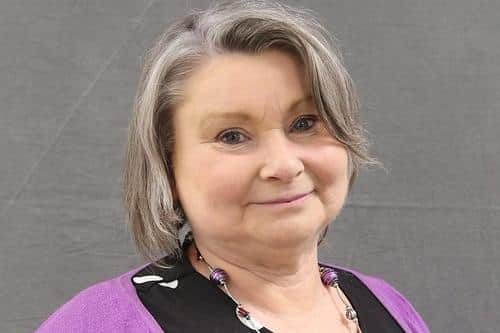
Leader of the Opposition, Councillor Elaine Thornton-Nicol, said: “Ordinary people across the Scottish Borders are doing everything they can to balance their own budgets.
“It is simply not right that they are being asked to shoulder an 8.5% rise while a phased and gentler approach is being taken on other measures.
“Our priority is to protect local residents and ensure fairness in how council tax is applied. Those who choose to own second or long-term empty homes should contribute more to the communities that sustain those properties. At the same time, communities need practical support, whether taking on local assets or ensuring energy applications are properly scrutinised. Our amendment reflects those priorities.”
Councillor Thornton-Nicol said the proposals aim to strike a fair balance, safeguarding essential services while ensuring permanent residents do not shoulder a disproportionate share of the funding burden.