
Kelso bank closure a 'bitter blow'
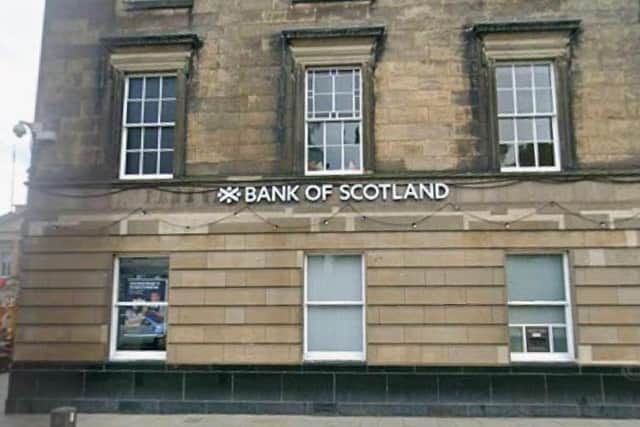
A decision by the Bank of Scotland to close its Kelso branch next year has drawn criticism from political representatives across the Borders.
The branch is due to shut on June 18, as part of wider changes across the banking sector.

Since 2015, more than 6,400 bank and building society branches have closed across the UK — an average of 53 per month — according to consumer group Which?.
Ray Georgeson, the Scottish Liberal Democrat prospective candidate for Ettrick, Roxburgh and Berwickshire, said the closure would be a major blow for rural communities.
“The banks are determined to deprive rural communities of any meaningful service — the news about the proposed closure of Bank of Scotland in Kelso being the latest miserable blow,” he said.
“Those who do not want to bank online are increasingly marginalised and afraid for their future. They shouldn't have to feel guilty, and certainly should not feel pushed out of their own communities.
“Owners Lloyds need to be honest about whether they carried out a proper impact assessment of this closure and provide clarity to those who still need to bank in person.”
Scottish Liberal Democrat South Scotland regional lead Duncan Dunlop also criticised the move, saying access to cash and face-to-face services remained vital for older residents, small businesses and people less confident with digital banking. He said he would continue to push for practical solutions such as shared banking hubs.
MP John Lamont described the decision as “extremely disappointing” and said he had asked for an urgent meeting with the bank to discuss how customers would be supported.
“This decision will be especially troubling for local residents who rely on access to cash and in-person services,” he said, adding that while a community banker had been proposed, it did not replace a permanent branch.
MSP Rachael Hamilton also said the closure would come as a “bitter blow” to residents and businesses.
The Bank of Scotland has previously said branch closures reflect changing customer habits and increased use of online banking, but the move has reignited debate about access to financial services in rural areas.